
Address:
527 SE Baseline Street Suite B
Hillsboro, OR 97123

Start the School Year Strong With a Comprehensive Eye Exam
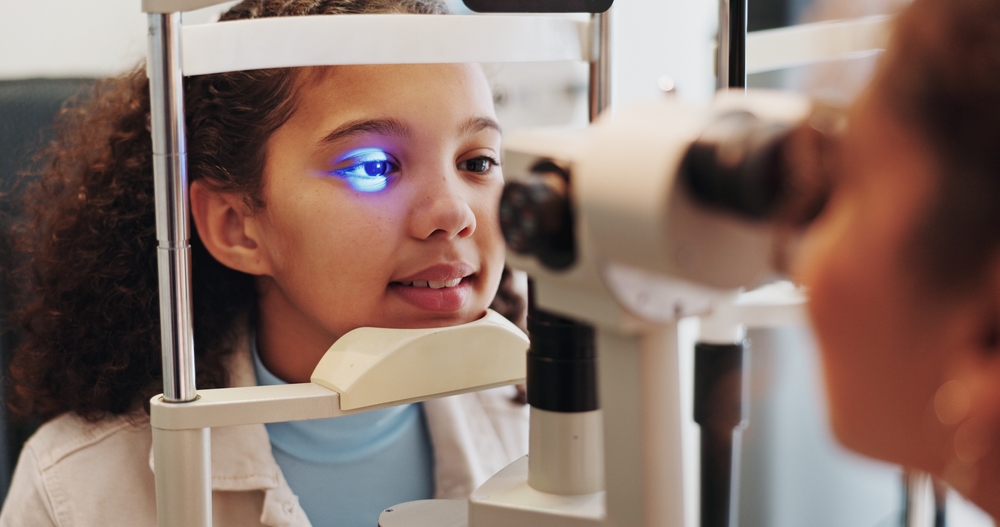
As a new school year approaches, families often focus on supplies, schedules, and classroom preparation. Clear, comfortable vision should also be part of that checklist. A comprehensive eye exam can identify vision concerns that may affect reading, concentration, screen use, sports, and overall classroom performance. Because children do not always recognize or explain vision changes, an exam before school begins provides valuable insight into how their eyes are developing.
Clear Vision Supports Classroom Learning
Children rely on their vision throughout the school day. They must shift focus between books, digital devices, worksheets, and the board at the front of the classroom. Their eyes also need to work together accurately while reading, writing, and completing detailed assignments.
When a child has an uncorrected vision problem, schoolwork can become more tiring or frustrating. They may need extra time to finish assignments, lose their place while reading, or avoid activities that require sustained visual attention. A comprehensive pediatric eye exam helps determine whether vision is supporting the demands of the classroom.
Why a School Vision Screening Is Not Enough
School screenings can provide a basic measurement of distance vision, but they are not a replacement for a comprehensive eye exam. A child may pass a screening while still having difficulties with focusing, eye alignment, depth perception, or near vision.
During a comprehensive eye exam, the optometrist evaluates visual clarity as well as how the eyes function and work together. The exam also provides an opportunity to assess eye health and identify concerns such as nearsightedness, farsightedness, astigmatism, amblyopia, or strabismus. Early detection allows families to address problems before they interfere further with learning or development.
Signs Your Child May Need an Eye Exam
Some vision concerns are easy to notice, while others may look like attention or learning difficulties. Watch for signs such as:
- Squinting or closing one eye to see
- Holding books or screens very close
- Frequent headaches or tired eyes
- Losing their place while reading
- Avoiding reading or detailed schoolwork
- Sitting unusually close to the television
- Complaining that distant objects look blurry
Even without noticeable symptoms, routine pediatric eye exams remain important because children can adapt to unclear or uncomfortable vision without realizing something is wrong.
Update Eyewear Before Classes Begin
An eye exam before the school year gives families time to update glasses or contact lenses when needed. Children’s prescriptions can change as their eyes grow, and scratched lenses, loose frames, or an outdated prescription can make daily tasks more difficult.
Properly fitted eyewear should provide clear vision, stay comfortable throughout the day, and suit the child’s activities. Children who play sports may also benefit from protective eyewear designed for their specific needs.
Monitor Myopia as Children Grow
Myopia, or nearsightedness, often begins during childhood and can progress as the eyes develop. Children with myopia may struggle to see the board, recognize faces across the room, or follow distant demonstrations. Regular exams allow the optometrist to track prescription changes and discuss myopia management when appropriate.
Start the school year with greater visual confidence by scheduling a comprehensive pediatric eye exam with Baseline Vision Clinic in Hillsboro, Oregon, by calling (971) 290-5588.

All Eye
Care Services

Keep
In Touch
© 2026 Baseline Vision Clinic. All rights Reserved - Accessibility Statement - Privacy Policy - Sitemap
Powered by
